How to choose your backpack?
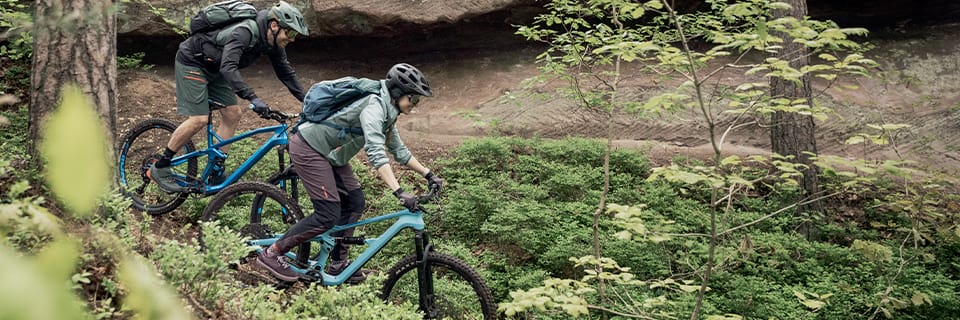
By allowing the rider to carry essential belongings and a hydration bladder that makes staying hydrated easier, a backpack is a useful piece of equipment for any MTB rider.
For a leisurely trail ride, a sporty outing or an MTB raid, you obviously won't choose the same type of model. Comfort, size, capacity and storage solutions are some of the factors to consider, which we explore here to help you make the right choice.
EVERYTHING YOU NEED TO KNOW ABOUT BACKPACKS
As is often the case when choosing cycling equipment, the rider should consider their own habits and preferred type of ride to choose a bag that is perfectly suited to their needs. Each rider can ask themselves what belongings are essential on a trip, drawing on past experience and thinking ahead. The right model — the one that suits best — should be able to hold these "essentials", nothing more, nothing less.
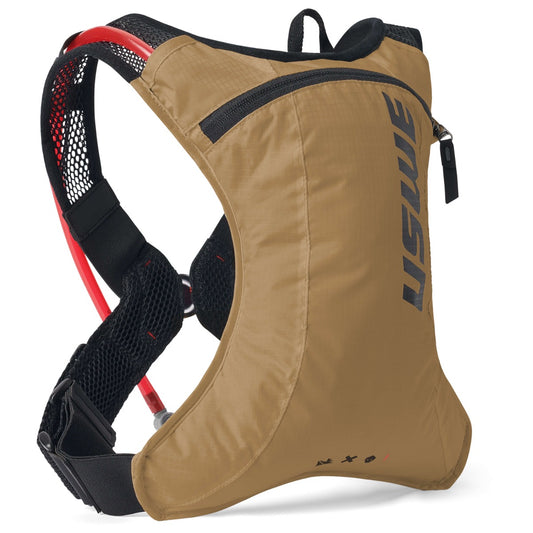
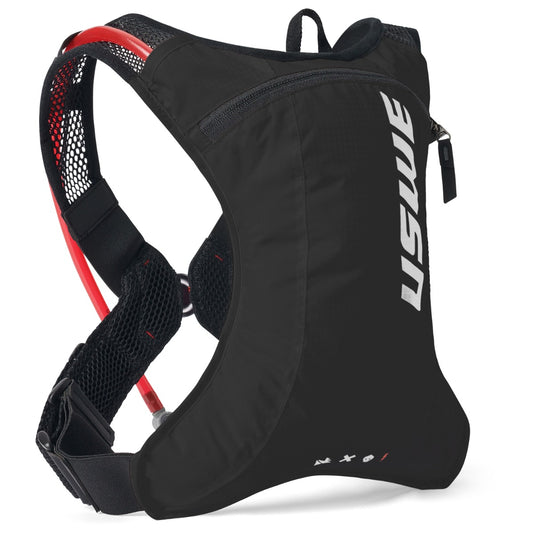
MTB backpacks are available in all sizes, with storage volumes ranging from 3 to more than 30 litres. Obviously, the volume of the bag will largely depend on the duration/length of your rides.
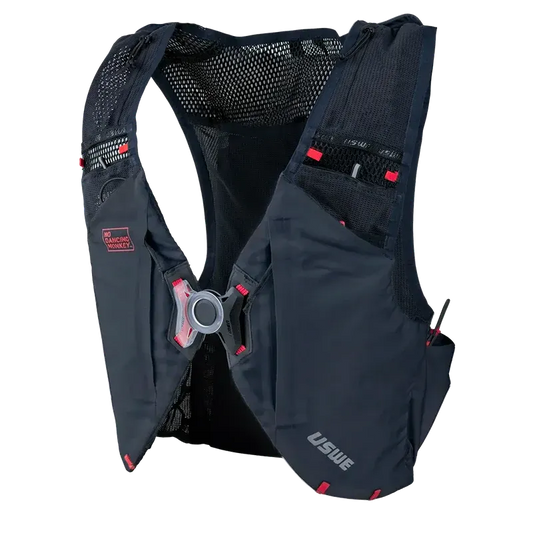
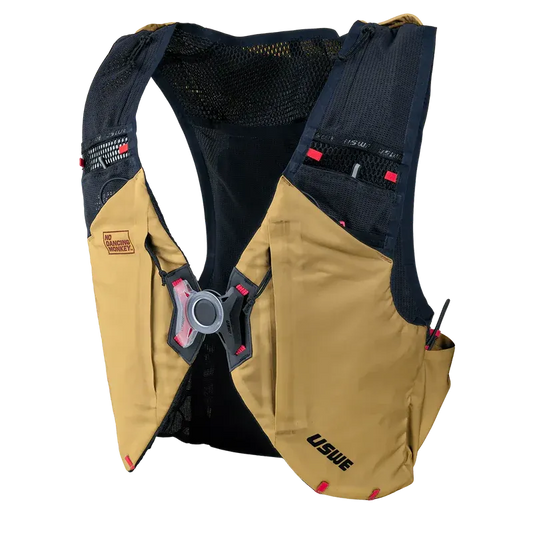
A compact backpack with a volume of less than 10 litres is therefore preferable for short, sporty MTB rides, such as Cross-Country. The bag will primarily be used to carry a hydration bladder (1.5 to 3 litres), nutrition (gels, bars, food...) and essential tools and accessories (repair kits, smartphone).
Offering a capacity of 30 litres or more, the most voluminous backpacks are reserved for crossings, trips and true MTB expeditions. They are designed to accompany the rider as effectively as possible over several days, allowing them to carry food in quantity, essential tools, rain gear and spare clothing, bivouac equipment... They feature numerous functionalities and are fitted with several well-thought-out compartments to organise storage as efficiently as possible.
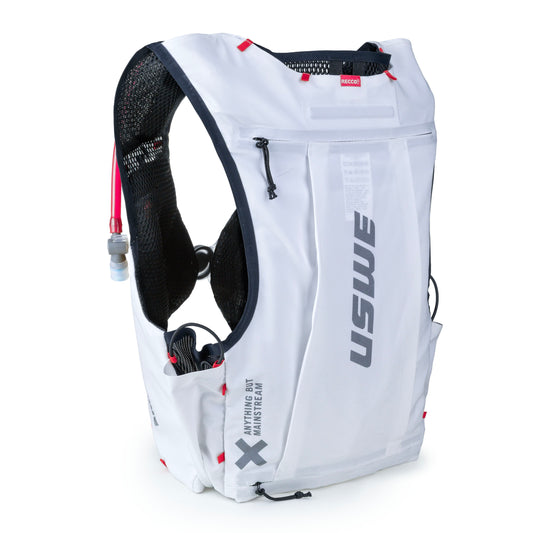
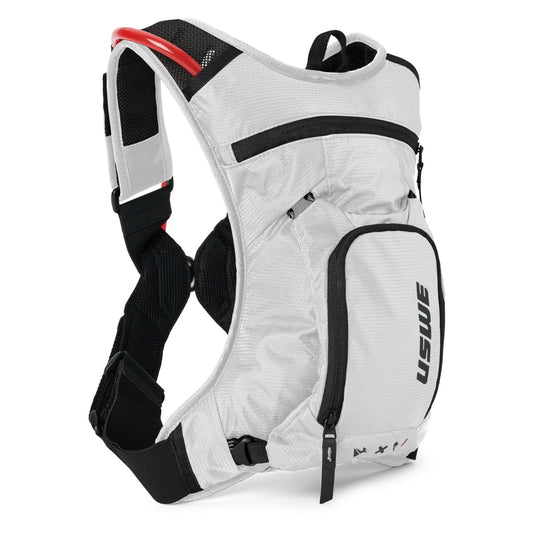
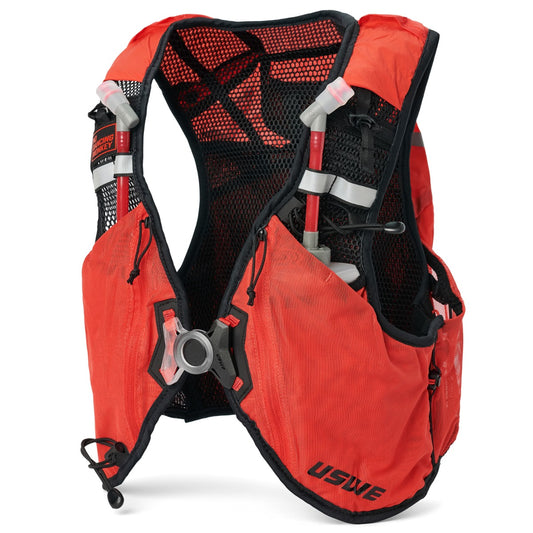
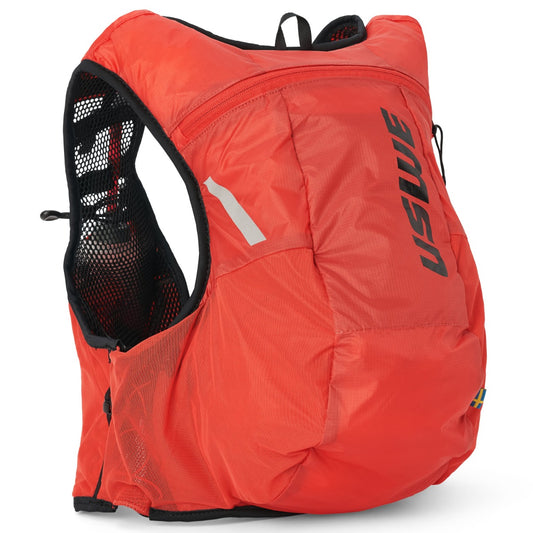
Between these 2 extremes, backpacks of 10 to 30 litres are ideal for MTB trail rides, great All Mountain half-day or full-day outings. You can pack the essentials (tools, food) in good quantity, spare clothes, rain gear…
FEATURES AND FUNCTIONALITIES: WHAT CRITERIA SHOULD YOU CONSIDER?
While volume and storage capacity are the main criteria for choosing a backpack, models differ in other respects (support straps, comfort, carrying system…), which should be considered carefully.
The hydration bladder
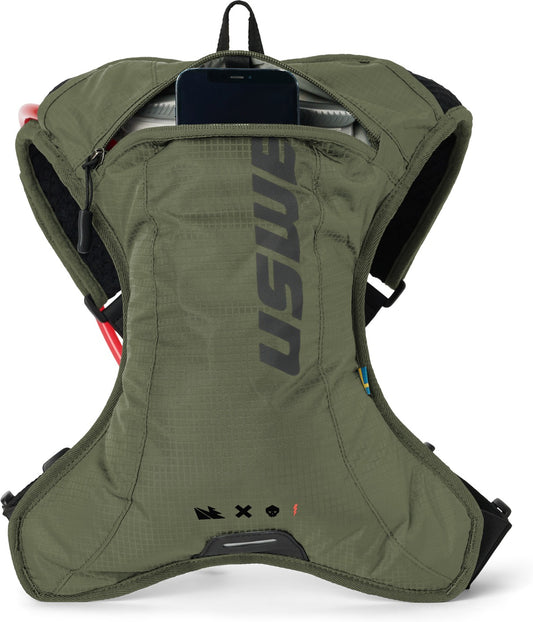
The primary advantage of an MTB backpack is the ability to carry a hydration bladder, which makes it easier for the rider to stay hydrated. Obviously, in the heat of the action, it will be much simpler to bring the tube mouthpiece to the mouth than to fumble for a bottle, which will be inaccessible in technical sections and risks being dropped on a rough patch of terrain.
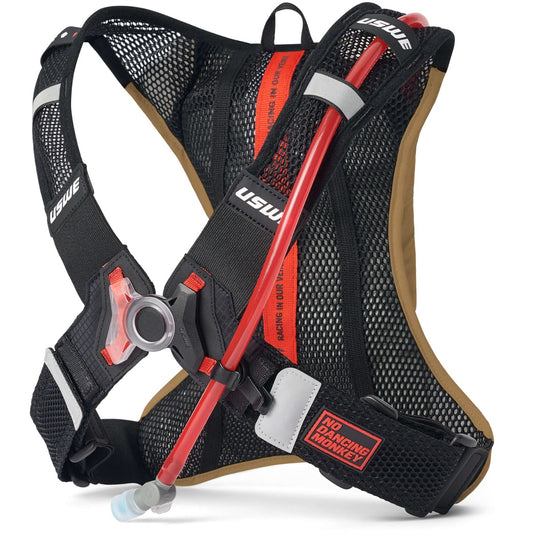
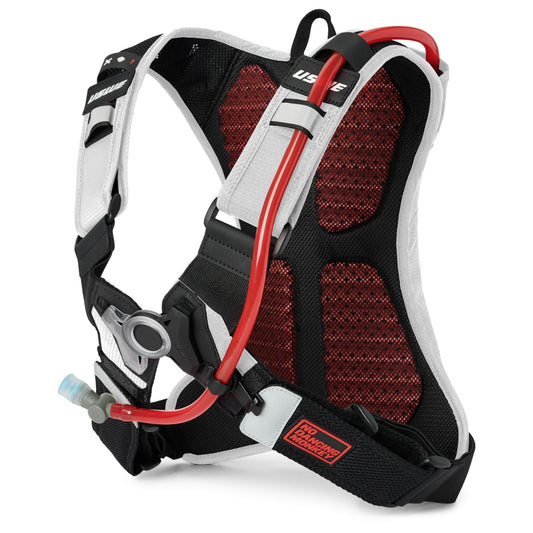
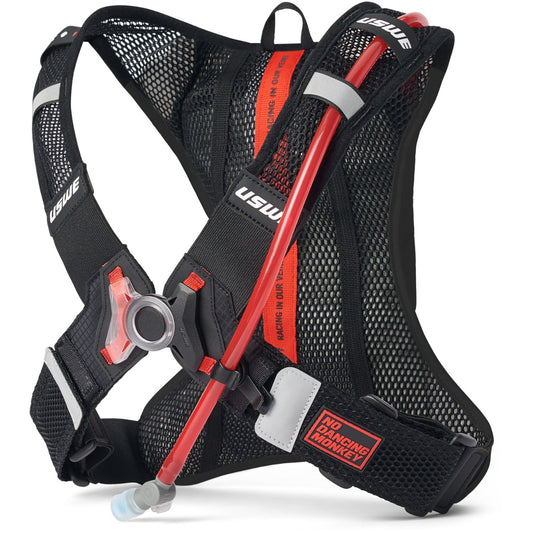
All MTB bags reserve a space for a hydration bladder, which may be supplied directly with the bag or available separately. The bags also feature guides for routing the tube at shoulder level.
The capacity of a hydration bladder varies between 1.5 and 3 litres, to be chosen according to the nature of your rides (length, intensity).
The back panel
Along with the shoulder straps, the back panel is the part of the backpack that is in direct contact with the rider's body. It is therefore a key component of the bag. For comfort, this panel is always padded. The lining is also breathable, like that of the shoulder straps, to a greater or lesser degree, to prevent excessive sweating. This is obviously an important point to look at, especially if you intend to use your bag for genuinely sporty rides. Manufacturers compete with one another on technologies to offer the rider the best experience, with ultra-breathable materials featuring airy mesh panels.
Furthermore, a few models designed for demanding riding integrate a removable rigid back protector, which provides a good level of protection for the rider and prevents them from having to carry too much weight during racing.
Materials
While materials vary between manufacturers, all MTB backpacks use durable fabrics above all, offering great resistance to abrasion and tearing, while remaining lightweight. Nylon, polyamide and polyester are the most popular fabrics, benefiting from specific weaving techniques (such as rip-stop) that make them highly durable over time. These fabrics are often coated with polyurethane to ensure maximum protection.
Finally, note that rain covers are useful, completely enveloping the bag to protect its contents from water. Some models include a rain cover in a discreet, zipped lower pocket. Otherwise, these covers are often sold as a separate accessory.
Adjustment options
During riding, keeping the backpack secure is essential. For the rider's comfort and safety, the bag obviously needs to stay pressed firmly against the back, without swaying from side to side with the movements of the terrain, so as not to hinder handling with the weight of the load.
Backpacks therefore feature harness systems of varying complexity to stay firmly in place. All have at least a chest strap, and most have an additional waist belt to keep everything secure around the waist.
To choose your model carefully, we recommend paying close attention to these strap systems and the adjustment options they offer. A strap adjustable to your own build is obviously preferable! You will also notice that some bags are fitted with simple chest straps, while others have a true support belt, wider and more comfortable, with hip stabilisers. An essential system for the most voluminous bags!
Carrying systems
An MTB backpack must be practical to use! All models feature several pockets, some padded, with well-organised internal compartments and secure zipped pockets to make storage easier.
Depending on the model, you will find practical carrying systems on the back that allow you to attach a helmet, a chin guard or an elbow pad for example, to offload them on an uphill section. These may be simple clips, elastic straps or an elastic net fixed at four points, useful for securing a protector or an extra layer of clothing.
Finally, almost all MTB backpacks feature a mount for attaching a rear light.
Découvrez tous nos conseils & Tutoriels