


How to choose your MTB brake discs?

MTB disc brakes play a major role in your bike's safety. It is therefore essential not to make the wrong choice when selecting your discs. Here is some information to guide you.
Standards
- Mounting standard: 6-bolt or Center-Lock
- Disc diameter: 140 mm, 160 mm, 180 mm, 183 mm, 200 mm and 203 mm
- Disc type: standard or floating
- Thickness of the MTB disc
Types of brake discs
There are two mounting standards for fitting the disc to the wheel. The 6-bolt type, which gets its name from the assembly of the disc with 6 bolts, or the Center-Lock, which attaches the disc to the wheel with a single central lockring.
Regarding diameter, apart from a few rare frames that accept 140 mm, you will have the choice of fitting a 160, 180 or 200 mm disc by pairing it with the appropriate caliper adapter. The smaller the disc, the lighter it is; the larger the disc, the more powerful and effective the braking.
You will also find discs in 183 and 203 mm which also require caliper adapters to the same standard. These two sizes came about as a result of the import and export of products between European and American markets. The United States uses inches rather than mm. So, a 200 mm disc converted to inches gives 7.99". If you round up to simplify to 8" you get 203 mm.
Regarding the disc type, almost all brands now offer either standard discs or floating discs. A floating disc is a two-part disc: a braking track linked to a carrier ring via bushings. This system allows for a carrier ring that is more resistant to deformation and more easily tolerates the expansion of the braking track during intense braking.
Even if it may look identical to the naked eye, the thickness of discs is not standardised. It varies from 1.7 to 2 mm depending on the brand. This is one reason why it is not recommended to combine brakes with discs from different brands.
Which brake disc should you choose?
As for the mounting standard, you will need to check your hubs, which are either 6-bolt or Center-Lock.
Regarding thickness, it is preferable to use discs from the same brand as your brakes for optimal performance.
-
Touring
For a leisure MTB ride, standard 160 mm discs will be sufficient in terms of braking power.
-
All-Mountain Enduro
For All-Mountain or Enduro riding on a full-suspension MTB, you will definitely need 180 mm for adequate braking power. Some riders will also opt for floating discs to optimise the performance and reliability of their brakes.
-
Cross-Country
For Cross-Country rides on a hardtail MTB, standard 160 mm discs can be sufficient for maximum weight savings. If you ride 29" wheels or enjoy long technical descents, it will likely be necessary to fit a 180 mm disc at the front.
-
DH / Freeride
For DH / Freeride, you will need floating 200 mm (or 203 mm) discs capable of handling the most powerful braking forces.
Découvrez tous nos conseils & Tutoriels
MTB - Rotors
-
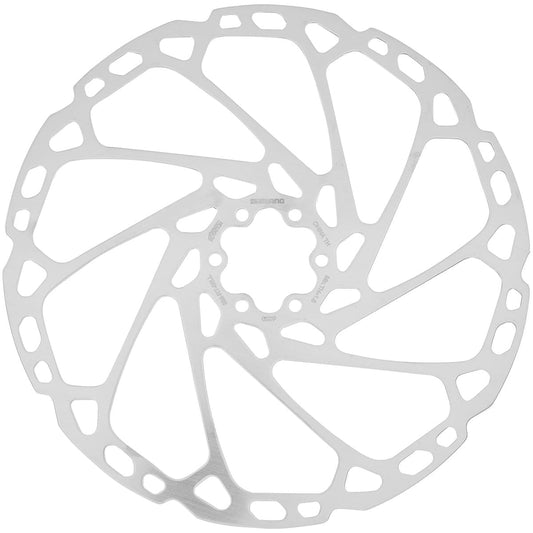
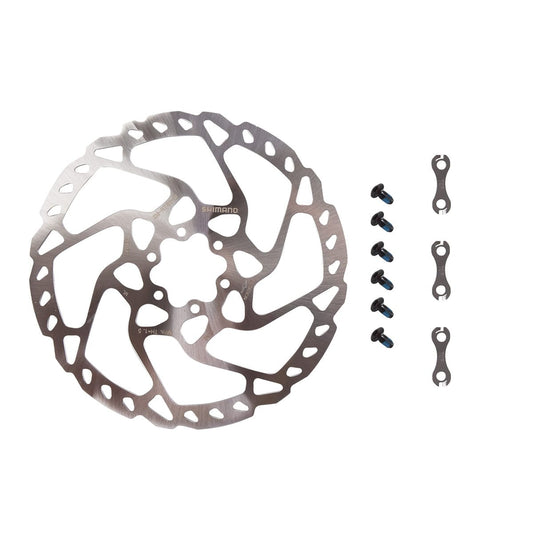
SHIMANO SM-RT66 6-Bolt Rotor
Regular price From 118,00 DKKRegular priceUnit price per -
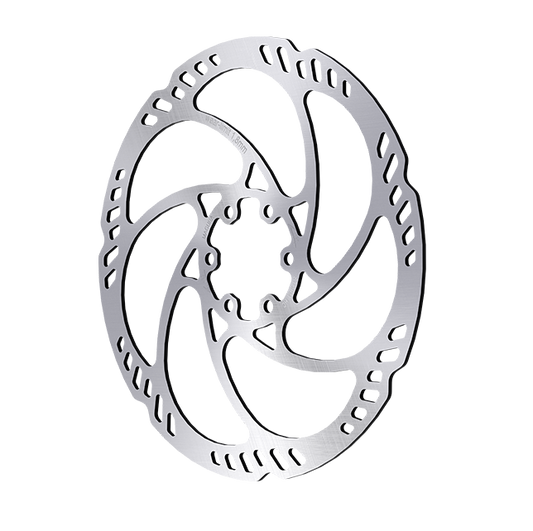
MAGURA STORM HC 6-Bolt Brake Disc
Regular price From 110,00 DKKRegular priceUnit price per -
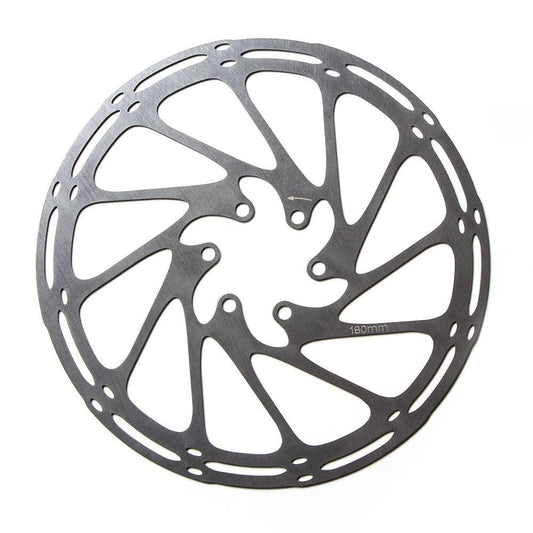
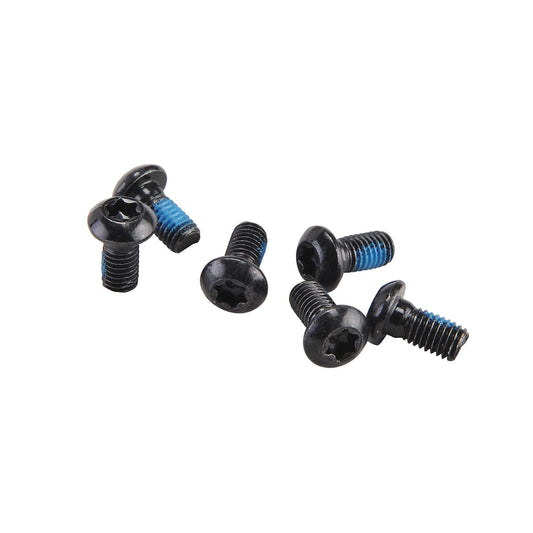
CLARKS Z8 6-Bolt Rotor
Regular price From 76,00 DKKRegular priceUnit price per -
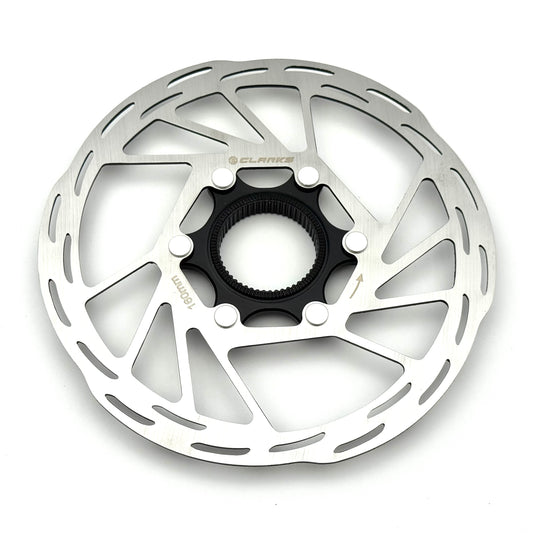
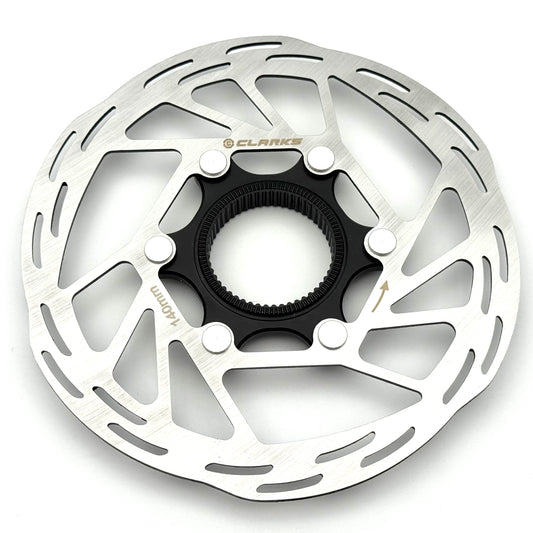
CLARKS CL-A1 EXTERNAL CENTRE LOCK Disc
Regular price From 85,00 DKKRegular priceUnit price per -
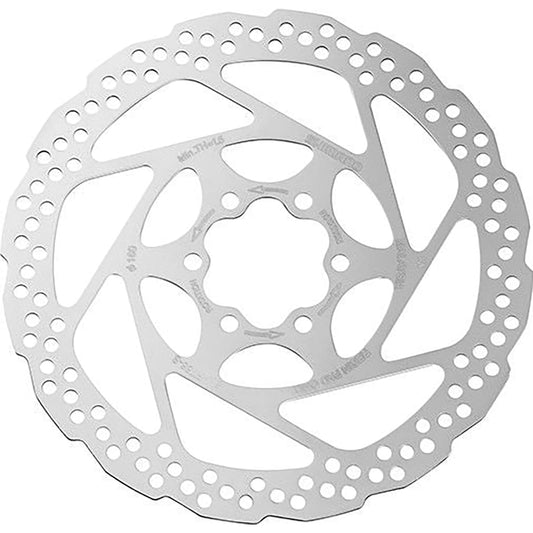
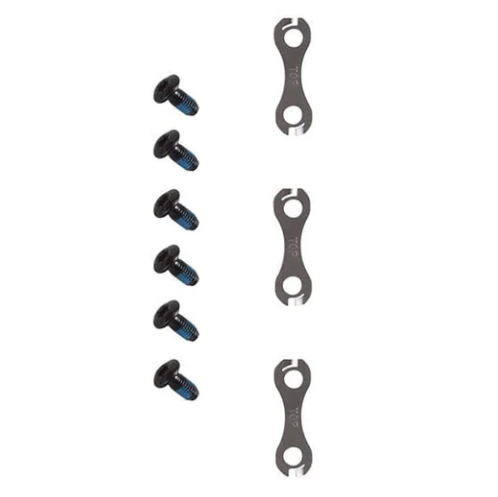
SHIMANO SM-RT56 6-Bolt Disc Rotor
Regular price 101,00 DKKRegular priceUnit price per -
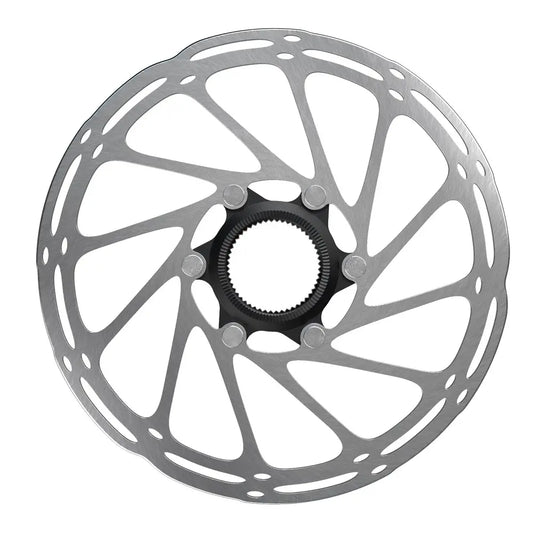
SRAM CENTERLINE CENTER LOCK Disc
Regular price From 110,00 DKKRegular priceUnit price per -
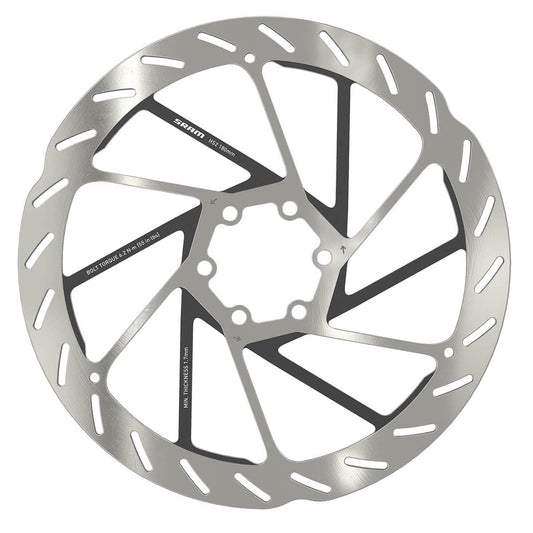
SRAM HS2 6-Bolt Disc
Regular price From 270,00 DKKRegular priceUnit price per -
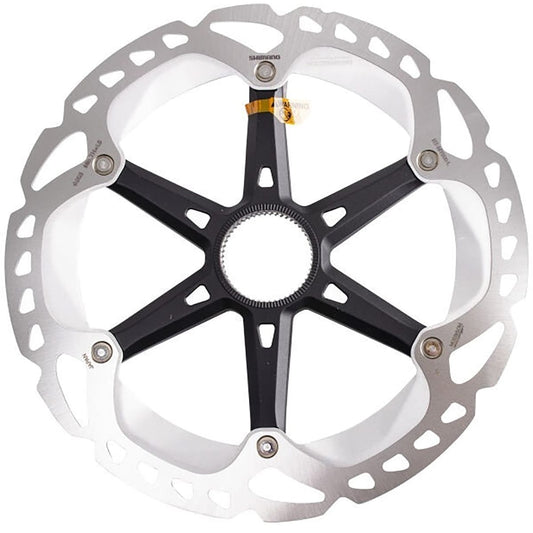
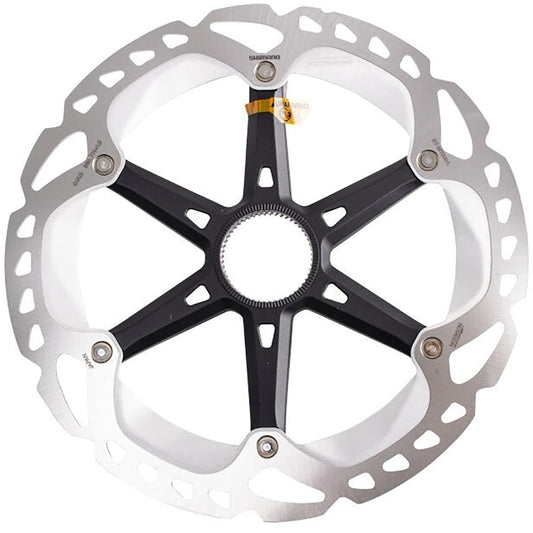
SHIMANO RT-MT800 CENTER LOCK Internal Disc
Regular price From 295,00 DKKRegular priceUnit price per


