


How to choose your MTB disc brake fluid?
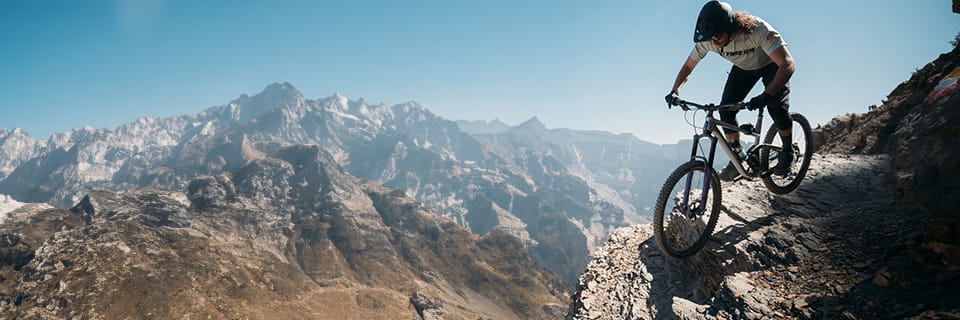
There are two main categories of MTB disc brake fluid: mineral and DOT. The two are not miscible and have different properties.
Types of fluid
Brake fluid transmits the power you apply to the lever to the brake calliper, without any loss since there is no friction and a liquid is incompressible or almost so.
Water could perform this function (it is in fact not uncommon to use it in Trial*) but the temperature that the fluid can reach during prolonged braking would quickly bring the water to boiling point, transforming it into gas (commonly called "air bubbles"): as gas is compressible, your brake would lose all its power and become spongy to the touch.
Brake manufacturers therefore use a fluid whose boiling point is well above that of water: DOT A or mineral B.
Reminder: they must under no circumstances be mixed. Do not use a bleeding kit that has been used for DOT on brakes requiring mineral fluid, or vice versa.
DOT
This fluid, also used in cars and motorbikes, is standardised; meaning the formulas to obtain it are always the same, regardless of the brand. Over the years, this fluid has been refined and there are now several versions of DOT. In chronological order: DOT3, DOT4 and DOT5.1.
They are perfectly miscible as they all come from the same base: glycol. When they leave the bottle, they have a minimum "dry" boiling point of: 205°C for DOT 3, 230°C for DOT 4, and 270°C for DOT 5.1
This fluid is unfortunately hygroscopic, meaning it absorbs water very easily, which lowers the boiling point. Even if the brake circuit appears sealed, it allows moisture to enter (approximately 3% per year). Water will mix with the fluid to such an extent that even if you do not use your mountain bike, it will be necessary to bleed your brake circuit at least once a year. Furthermore, DOT is corrosive to paint and varnish among other things, so it must be handled with care.
For information: there is a DOT5 version, silicone-based, which is incompatible with other DOT fluids, and which is rarely used in cycling as it causes compression issues.
Mineral
To avoid the problem of fluid lifespan and corrosion at the same time, brands such as Shimano, Magura or Tektro use a fluid that is not standardised: mineral fluid.
As each brand has its own formula, mixing them is strongly inadvisable. Being hydrophobic, these fluids always maintain the same boiling point (e.g. 120°C for Magura Royal Blood or 280°C for Shimano).
Which brake fluid should you choose?
To summarise, if your brakes operate on glycol-based DOT (i.e. 3, 4 or 5.1), it is recommended to use the highest-performing one, which is 5.1. If they operate on DOT5, you will have no choice. Finally, if they use mineral fluid, use the one from your brake brand.
If you are looking to replace your MTB disc brakes and are unsure whether to go for a DOT or mineral system, here is a summary of the advantages and disadvantages:
| Miscible | Hydrophobic | Neutral | Standard | Incompressible | |
|---|---|---|---|---|---|
|
DOT3 DOT4 DOT5.1 |
DOT3, 4 or 5.1 — you can use whichever you wish. However, be careful not to use DOT5 or mineral fluid. | They absorb water and require bleeding at least once a year. | These fluids are corrosive and must be handled with caution | Whatever the brake or fluid brand, everything is compatible. | A liquid is incompressible or almost so, meaning all the power you apply to the lever is transmitted to the brake calliper without any loss since there is no friction. |
| DOT5 | Does not absorb water, therefore requiring little or no bleeding. | Does not mix with other DOT fluids. | During prolonged braking, the water would quickly reach boiling point and turn into gas (therefore compressible). Your brake would lose all its power and become spongy to the touch. | ||
| MINERAL | Does not absorb water, therefore requiring little or no bleeding. | Different for each manufacturer, it requires using only the one specified by the brand. | During prolonged braking, the water would quickly reach boiling point and turn into gas (therefore compressible). Your brake would lose all its power and become spongy to the touch. |
Découvrez tous nos conseils & Tutoriels
ACCESSORIES - Brake Maintenance
-
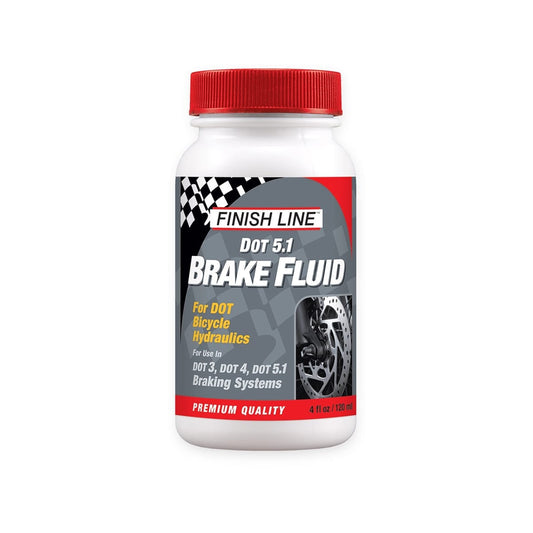
FINISH LINE DOT 5.1 Brake Fluid (120 ml)
Regular price 85,00 DKKRegular priceUnit price per -
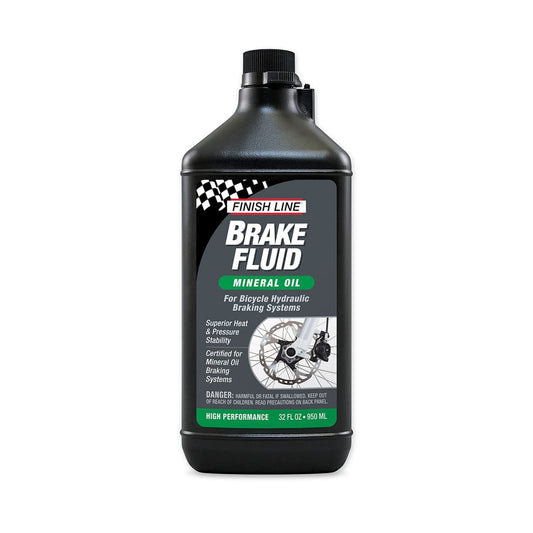
FINISH LINE MINERAL Mineral Brake Fluid (950 ml)
Regular price 253,00 DKKRegular priceUnit price per -
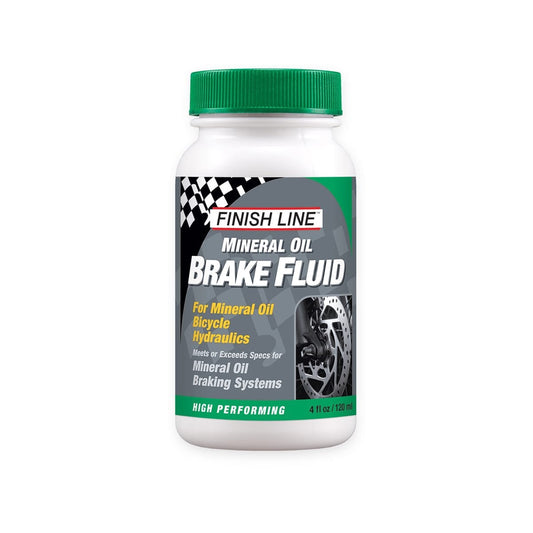
FINISH LINE MINERAL Mineral Brake Fluid (120 ml)
Regular price 85,00 DKKRegular priceUnit price per -
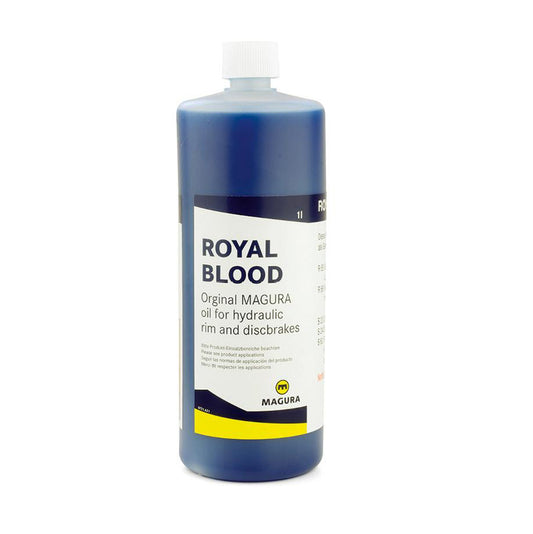
MAGURA ROYAL BLOOD Mineral Brake Fluid (1L)
Regular price 253,00 DKKRegular priceUnit price per -

MAGURA ROYAL BLOOD Mineral Brake Fluid (100 ml)
Regular price 59,00 DKKRegular priceUnit price per -
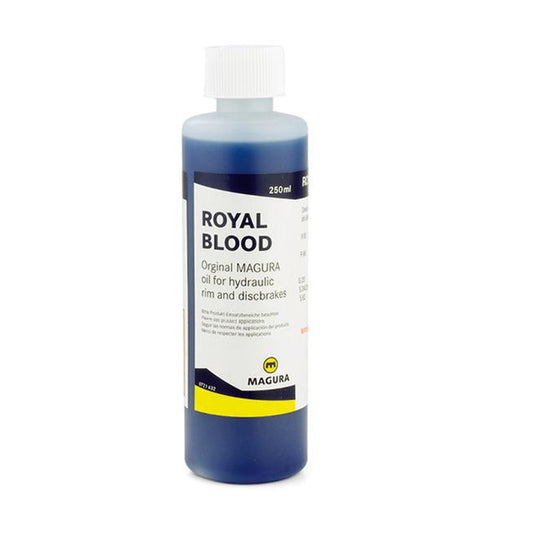
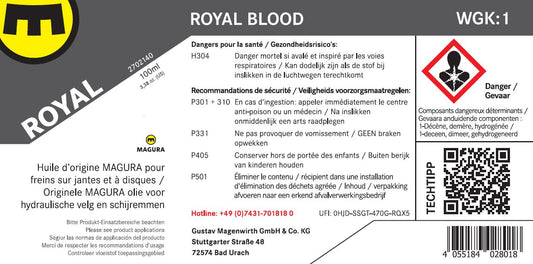
MAGURA ROYAL BLOOD Mineral Brake Fluid (250 ml)
Regular price 135,00 DKKRegular priceUnit price per -
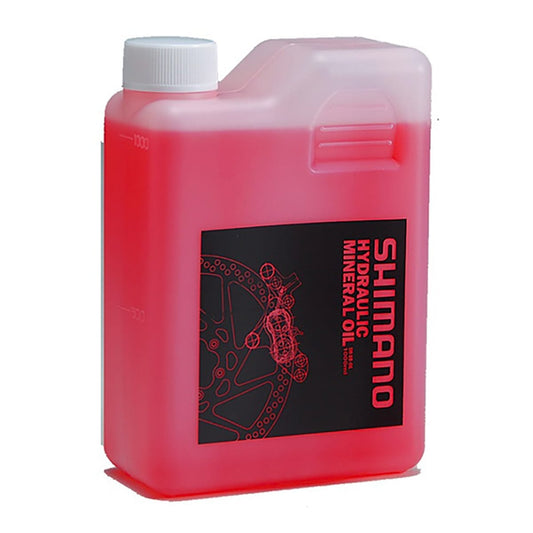
SHIMANO Mineral Brake Fluid (1 L)
Regular price 169,00 DKKRegular priceUnit price per -
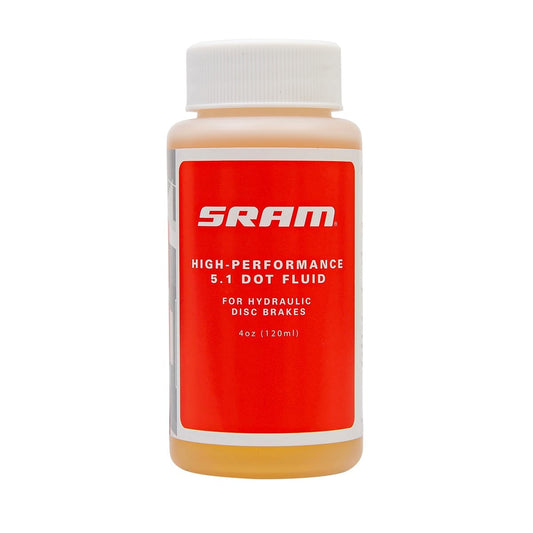
SRAM DOT 5.1 Brake Fluid (120 ml)
Regular price 101,00 DKKRegular priceUnit price per


