One of the keys to the electric assist bike is the range provided by the battery, particularly when used for touring or mountain biking, guaranteeing unrestricted enjoyment. The question of range, while crucial, is however complex to address as a great many factors come into play.
Here is therefore some information to help you understand and optimise the performance of your battery.
Everything you need to know about batteries
Beyond the power of the e-bike battery itself, the rider's weight, weather conditions, type of terrain, and riding style all play a role in the number of kilometres you can expect to cover.
To answer the question of range, it is also necessary to fully understand how a battery works: what does the expressed power correspond to? What is the lifespan of a battery? How can range be improved? These are all questions that Probikeshop tries to answer so that you understand everything about e-bike batteries.
Capacity, amperage and voltage of an e-bike battery
Before talking about range, it is essential to understand the difference between the various e-bike battery models.
Whatever the manufacturer, the most important information regarding the battery is its capacity, expressed in Watts/hour (Wh). This can vary from 160 Wh for the smallest to more than 600 Wh for the most powerful latest-generation models.
Capacity is the result of multiplying two values: the voltage (V) on the one hand, which determines the power of the motor and generally varies between 24 and 36V, and the amperage (Ah) on the other hand, which expresses the range. The amperage/hour varies from 5Ah to 18Ah.
As you will have understood, for range, it is therefore the amperage that should be prioritised, knowing that on models from the main brands, it is often the only adjustment variable, as the voltage is almost always 36V. For example, a Bosch Powertube 400 battery shows a voltage of 36V and an amperage of 11 Ah, while a Powertube 625 shows 16.7Ah for the same voltage (36V). The difference between these two models therefore concerns only the range.
Charging and lifespan of an e-bike battery
For maximum range, you obviously need to make sure the battery is fully charged. However, the higher the battery capacity, the longer the charging time will also be.
It can thus reach 9 hours for the most powerful e-bike batteries. Depending on your usage, it is therefore important to choose a charger powerful enough to have time to recharge between uses.
While e-bikes, in the vast majority of cases, come with a standard 2 amp (2A) charger, there are models of 4A, or even 6A, allowing the largest batteries to be fully recharged in less than four hours.
Depending on the brand, the lifespan varies from 500 to 1,000 full charge cycles, based on the principle that the electric bike battery is completely discharged when recharged, which rarely happens in practice.
Indeed, modern e-bike batteries no longer require, as was previously the case, being completely drained before being recharged. Quite the contrary, in fact. This means that your battery will support a much greater number of recharges.
It is obviously very difficult to give a battery lifespan in terms of kilometres, but it will in any case last several years (2 to 5 years in most cases).
It should however be noted that over time, your battery's range will naturally decrease. In this case, it is recommended to purchase a second battery to address this loss of range.
Extending the life of your battery
A few simple tips can help you extend the lifespan of your battery:
-
During the first uses (3 to 5 times), allow the battery to discharge completely to ensure you get the most out of its power in the long term.
After that, on the contrary, rarely allow it to discharge completely. - If possible, recharge the battery after every ride (optimal charge level for charging the battery: 30–70%) and at least once every 6 months
- Do not leave it outside in direct sunlight or when it is freezing; store it in a dry place at a temperature between 0 and 20 degrees
- Never submerge it in water or wash it with a powerful jet of water; clean it regularly with a damp cloth
How many kilometres can I cover with an e-bike battery?
Your e-bike battery is charged, fitted to your bike, you are ready to go and you are wondering how many kilometres you will be able to cover. Manufacturers often give very wide value ranges because many parameters are involved. Range can thus vary by a factor of three. The main factors are as follows:
- The cyclist's weight: range information is often given for a cyclist weighing 70 kg; beyond that, range may decrease by up to around 20%;
- The riding style: start at a low speed and change gears as you accelerate; pedal proactively by braking and accelerating more gently.
- The motor type and the selected assistance level: it is all a matter of balance between the desired level of assistance and the distance to be covered. But a few tips allow you to optimise range: always use the highest assistance level on hills and when setting off. On flat sections, and particularly on descents, do not hesitate to switch off the motor and bear in mind that above 25 km/h, the assistance cuts out automatically (45 km/h on speed bikes);
- Weather conditions: wind (headwind, tailwind), temperature. But, more than the outside temperature, it is the temperature of the electric bike battery at the start of your ride that will affect range. Once underway, the e-bike battery will warm up fairly quickly, even in cold weather. By always storing your battery indoors in a heated room, you can thus increase range by more than 20%;
- The terrain: range will be very different in town, on the road, on forest trails or in the mountains. In the first case, frequent starts and constant changes of pace will have a negative effect on the battery. In the case of a road ride, the effort is more linear; it is then the frequency and length of the uphill sections that will mainly determine range. On mountain bikes, one might think that the rougher and more technical the terrain, the more range is reduced. But this is not always true, especially for an experienced rider, as the physical effort exerted in the most demanding sections can relieve the motor, while on flatter rolling sections, there may be a tendency to rely more on the assistance;
- The type of bike: an urban bike or a full-suspension mountain bike in particular will necessarily be more energy-hungry than a lightweight sports bike that allows an aerodynamic position;
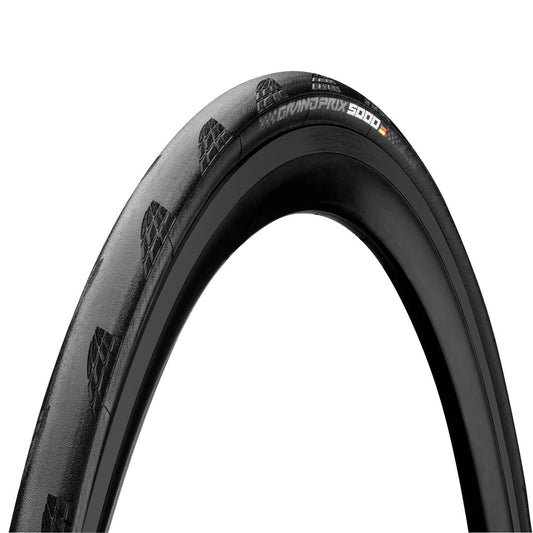
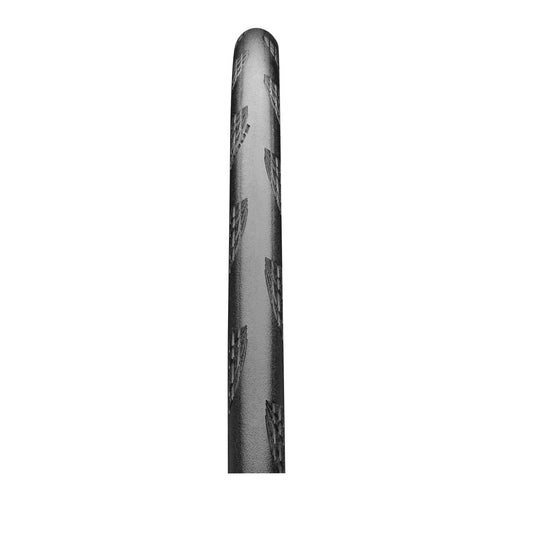
- The tyre type: the tyre size and section, the height and arrangement of the knobs are all characteristics that affect range. In town and on the road, check your tyre pressure regularly, as if it is too low, rolling resistance increases; you will then unnecessarily drain your battery.
Découvrez tous nos conseils & Tutoriels
OUR BEST SELLERS
-
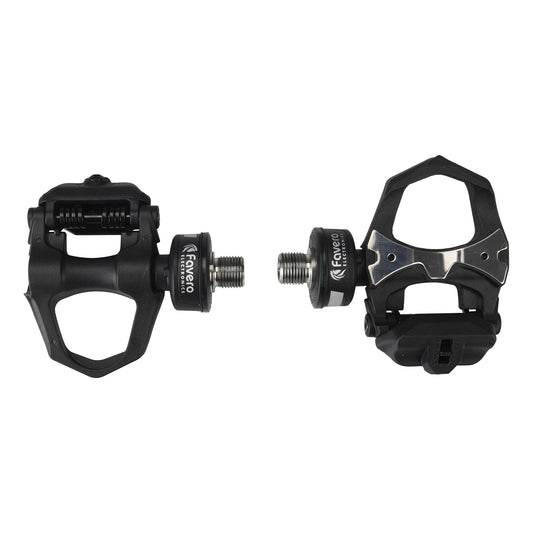
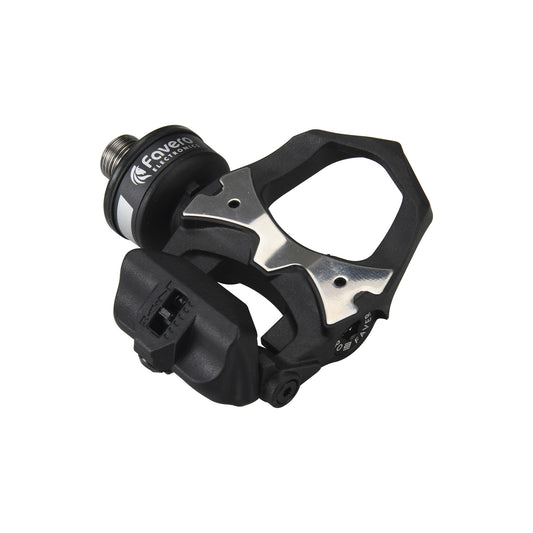
FAVERO ASSIOMA DUO Power Meter Pedals
Regular price 3.788,00 DKKRegular priceUnit price per -
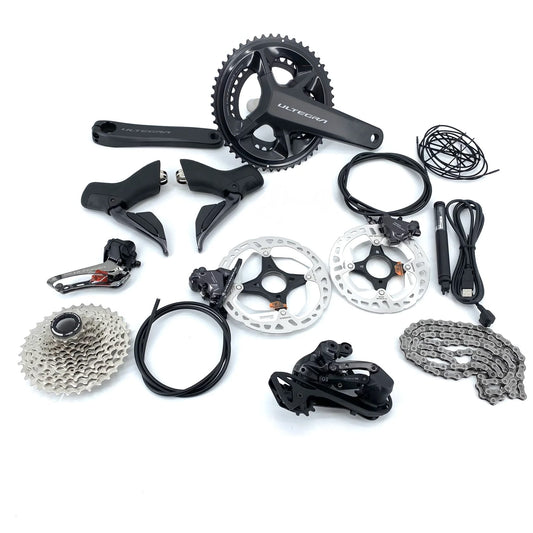
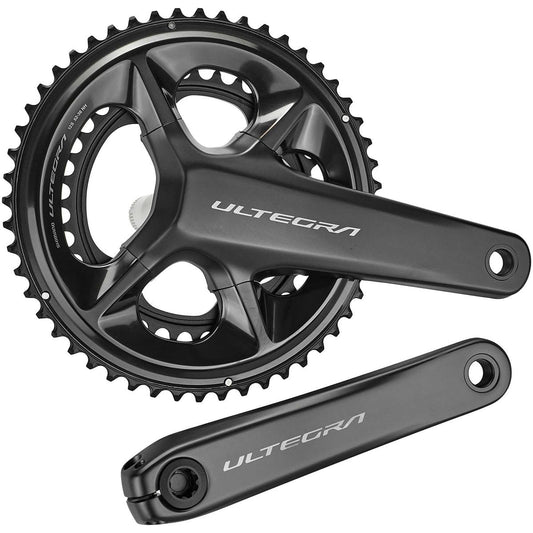
SHIMANO ULTEGRA Di2 R8170 2x12-speed Groupset
Regular price 10.943,00 DKKRegular priceUnit price per -
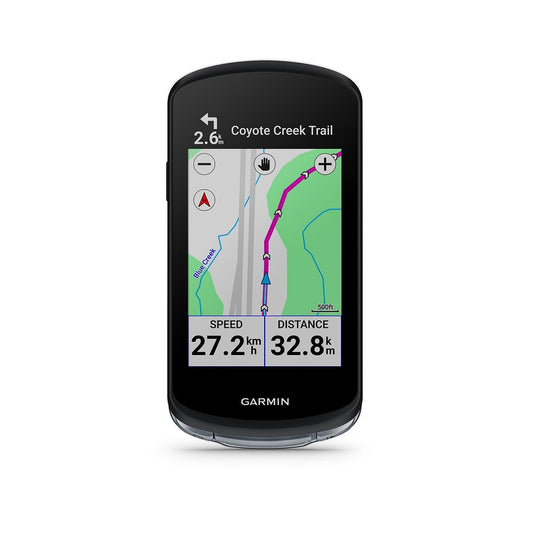
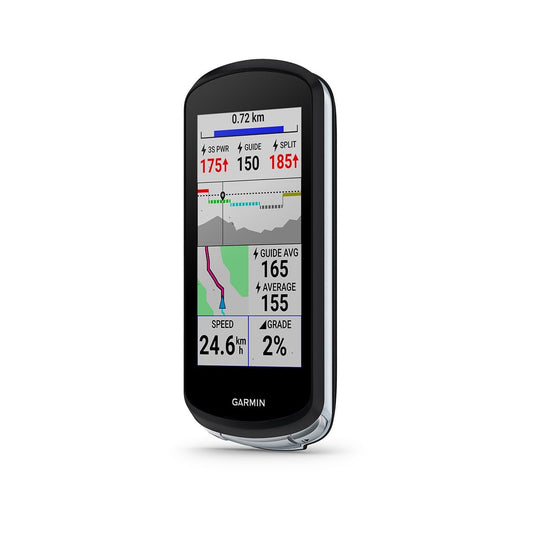
GPS GARMIN EDGE 1040
Regular price 3.788,00 DKKRegular priceUnit price per -

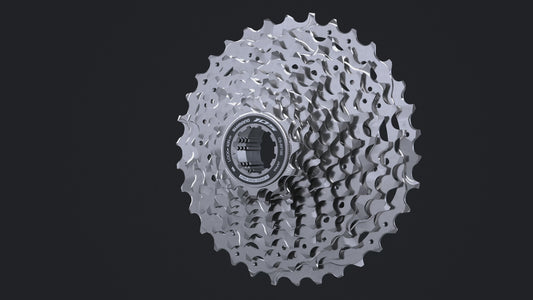
SHIMANO 105 CS-R7101 12-Speed Cassette
Regular price 337,00 DKKRegular priceUnit price per -
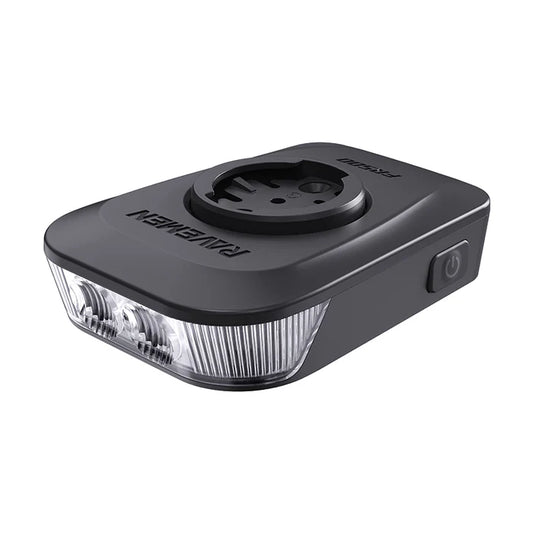
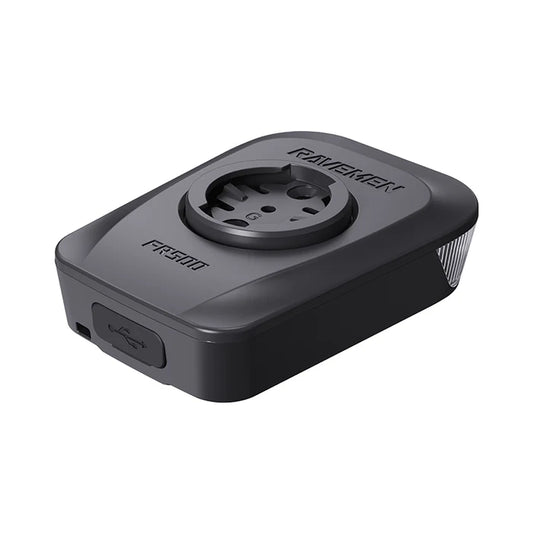
RAVEMEN FR 500 Front Light - Garmin/Wahoo
Regular price 464,00 DKKRegular priceUnit price per -
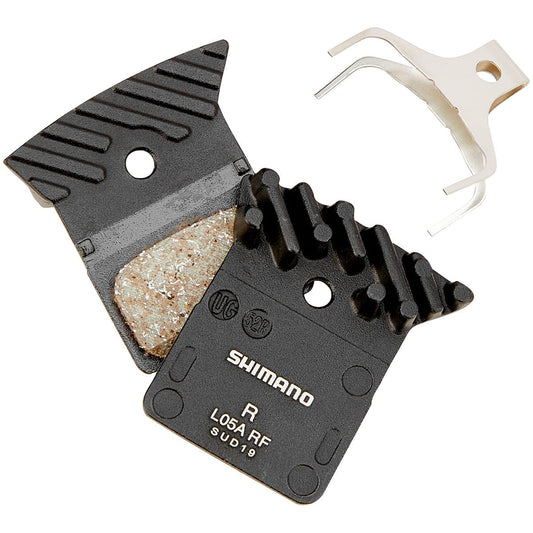
SHIMANO L05A-RF Dura-Ace/Ultegra/105/Tiagra/GRX/Metrea Organic Brake Pads
Regular price 127,00 DKKRegular priceUnit price per -

SQUIRT LUBE Wax Lubricant (120 ml)
Regular price 101,00 DKKRegular priceUnit price per